Cold rooms are an essential part of modern business operations, helping companies safely store temperature-sensitive products such as food, pharmaceuticals, and flowers. But how exactly do they work?
In this guide, we’ll break down the basics of how cold rooms function, the key components involved, and why modular cold rooms are becoming the go-to solution across many industries.
What Is a Cold Room?
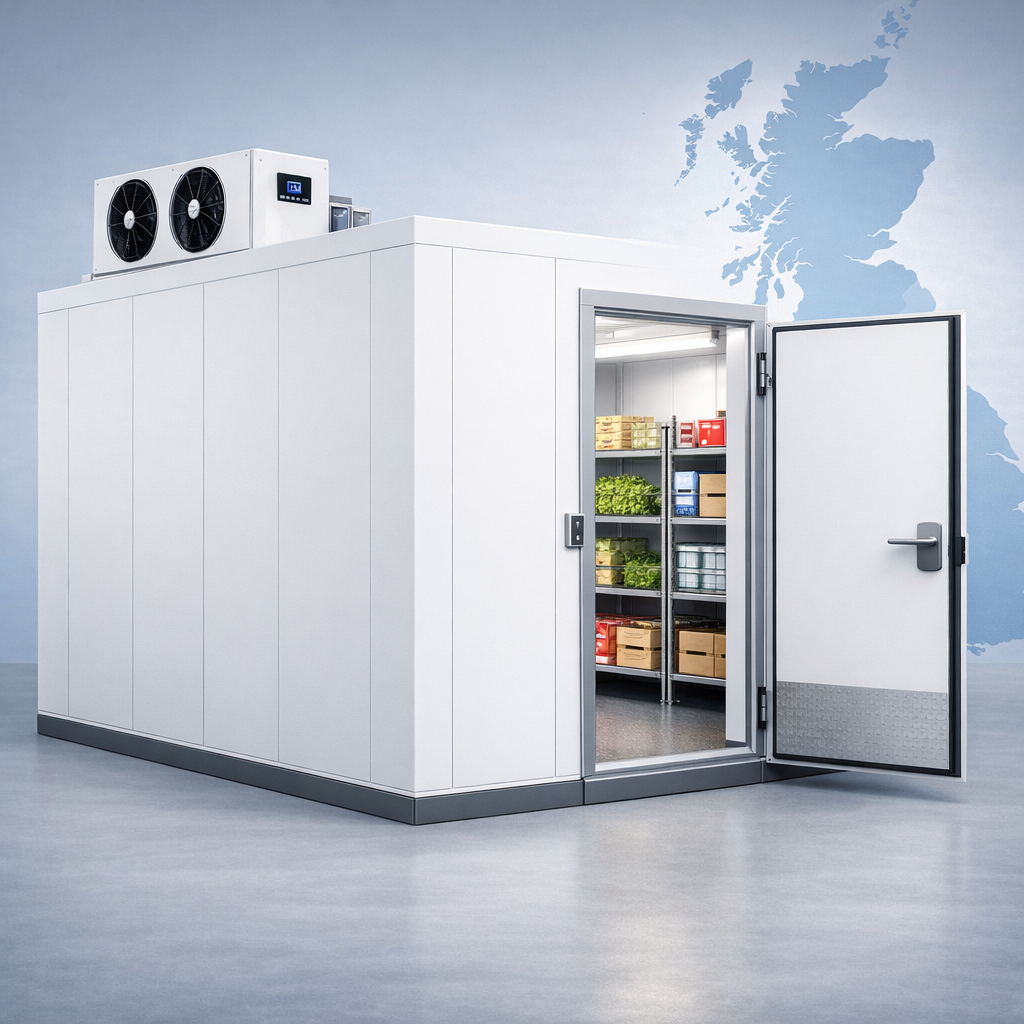
A cold room is a temperature-controlled storage space designed to keep products at a consistent low temperature. Unlike standard refrigeration units, cold rooms are large enough to walk into and can be customised to suit specific storage needs.
They are widely used in:
Restaurants and catering
Retail and supermarkets
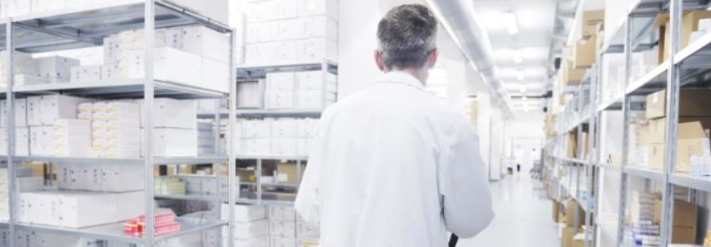
Pharmaceutical storage
Agriculture and food production
The Key Components of a Cold Room
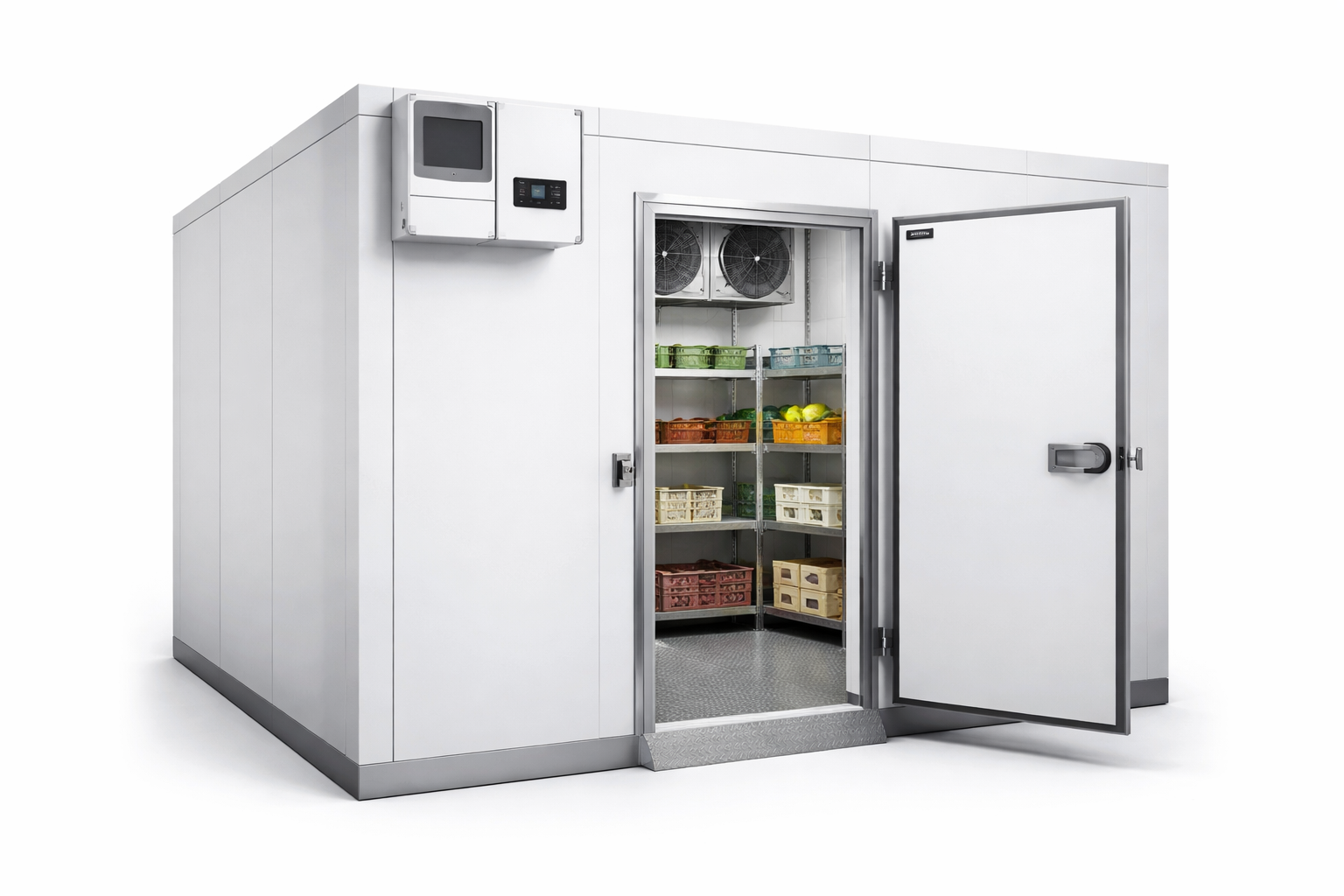
A cold room works through a combination of insulation and refrigeration technology. The main components include:
1. Insulated Panels
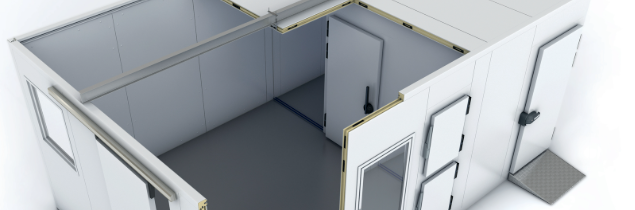
Cold rooms are built using high-performance insulated panels, typically made from polyurethane or polystyrene. These panels prevent heat from entering and keep the internal temperature stable.
2. Refrigeration System
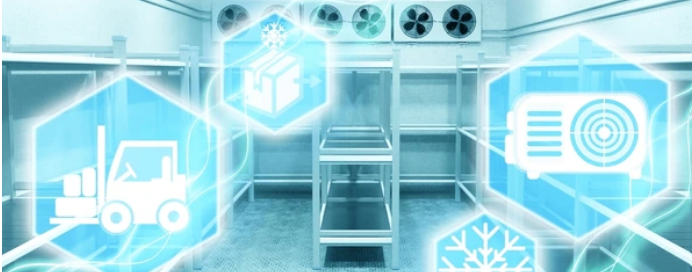
The refrigeration system is the heart of the cold room. It consists of:
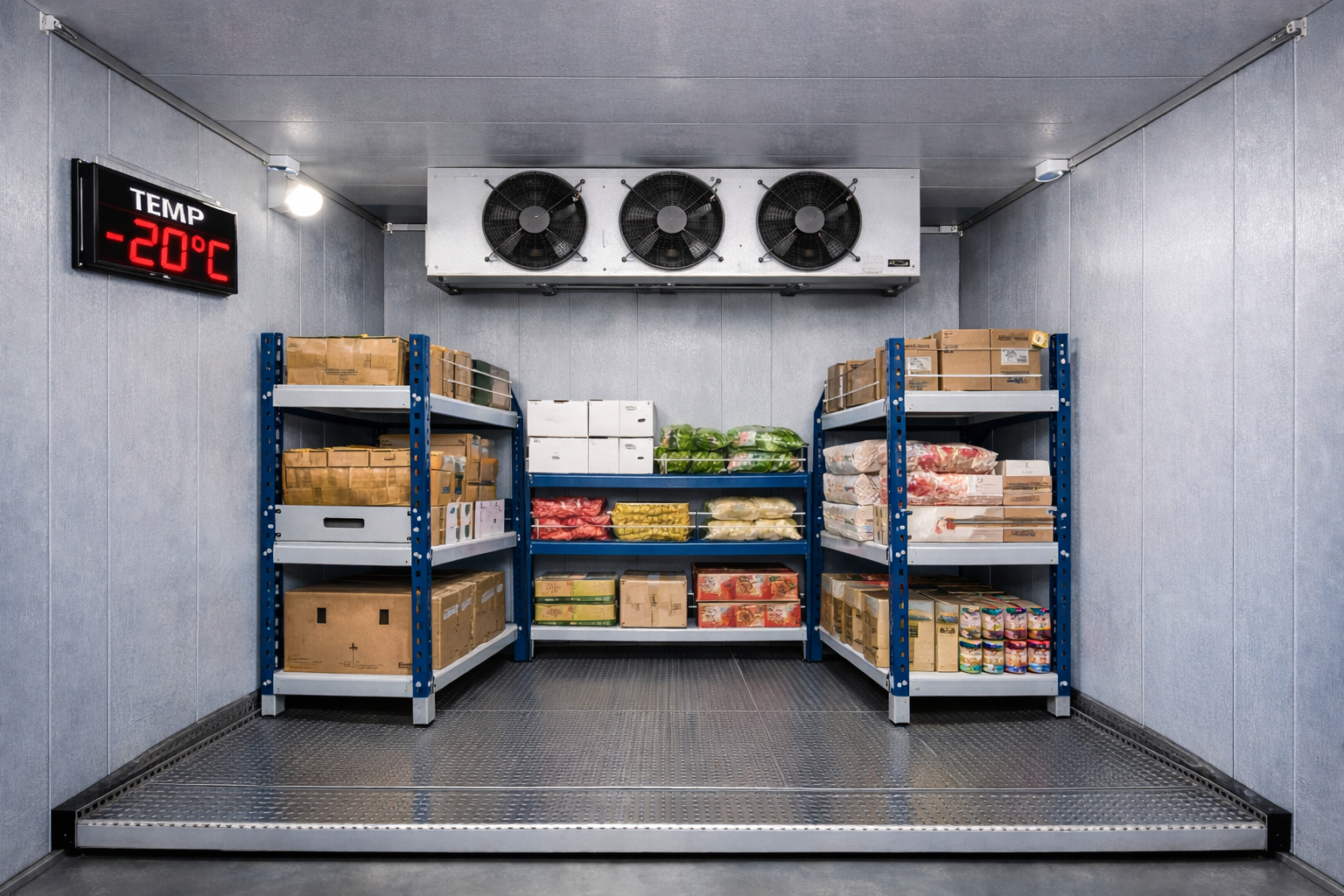
Evaporator (inside the room): Absorbs heat from the air
Compressor: Circulates refrigerant through the system
Condenser (outside): Releases heat outside the cold room
3. Door System
Cold room doors are specially designed with tight seals to minimise temperature loss when opening and closing.
4. Temperature Control System
Digital controllers monitor and regulate the internal temperature, ensuring products remain within safe storage conditions.
How the Cooling Process Works
The cooling process follows a continuous cycle:
The refrigerant absorbs heat from inside the cold room via the evaporator
The compressor increases the pressure and temperature of the refrigerant
The condenser releases this heat outside the room
The refrigerant cools down and returns to repeat the cycle
This process keeps the internal environment consistently cold, regardless of external conditions.
Why Modular Cold Rooms Are So Popular
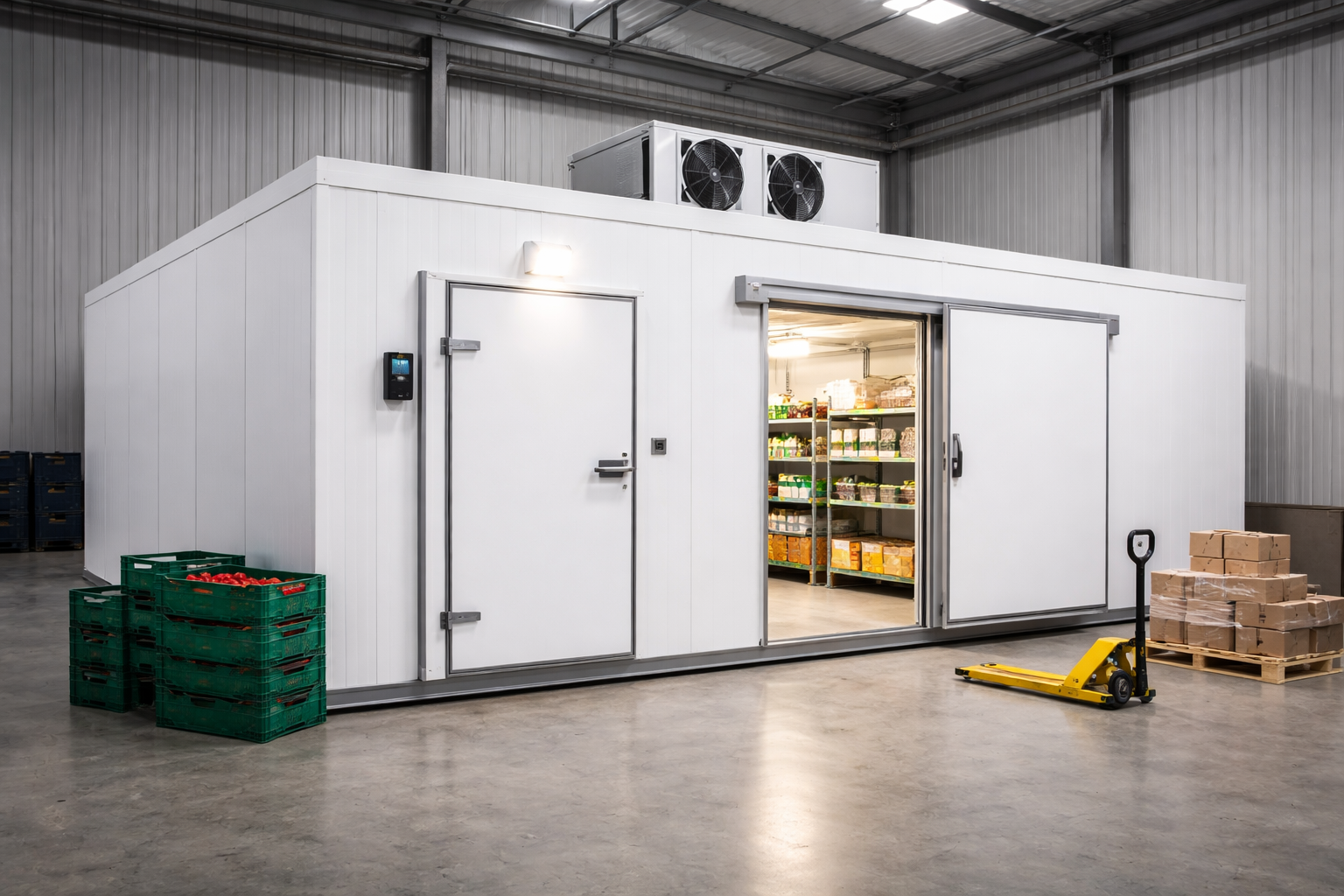
Modern cold rooms are often modular, meaning they are built from pre-fabricated panels that can be assembled on-site.
Benefits include:
Quick installation
Flexible sizing and layout
Easy relocation or expansion
Lower upfront costs compared to permanent builds
This makes them ideal for growing businesses or sites with changing storage requirements.
Where Cold Rooms Are Used
Cold rooms play a critical role across multiple sectors:
Hospitality: Keeping ingredients fresh and compliant with food safety standards
Retail: Supporting chilled and frozen product displays
Healthcare: Storing vaccines and medicines at precise temperatures
Agriculture: Extending the shelf life of produce
Areas We Cover
At Cold Safe, we supply and install modular cold rooms across the UK, covering a wide range of regions including:
London & South East:
London,
Essex,
Hertfordshire,
Kent,
Bedfordshire,
Buckinghamshire,
Berkshire,
Surrey,
Oxfordshire
East of England:
Cambridgeshire,
Suffolk,
Norfolk
South Coast & South West:
East Sussex,
West Sussex,
Hampshire,
Dorset,
Wiltshire,
Somerset,
Devon,
Bristol
Midlands:
Northamptonshire,
Warwickshire,
Leicestershire,
Gloucestershire,
Worcestershire,
Herefordshire,
Staffordshire,
West Midlands,
Derbyshire,
Nottinghamshire,
Lincolnshire
North of England:
South Yorkshire,
West Yorkshire,
North Yorkshire,
East Riding of Yorkshire,
Greater Manchester,
Cheshire,
Merseyside,
Lancashire,
Durham,
Tyne and Wear,
Northumberland,
Cumbria
Wales:
Cardiff,
Swansea,
Shropshire
No matter your location, our team can design, supply, and install a cold room solution tailored to your business needs.